Kids Activewear Market Shift: Ballet And Multi Scene Sport Outfit Demand Rising
- Share
- publisher
- mika
- Issue Time
- Nov 18,2026
Summary
Ballet style and multi scene kids activewear are changing how brands buy childrenswear. Here is the fabric, fit and OEM checklist behind the shift.
Kids Activewear Market Shift: Ballet And Multi Scene Sport Outfit Demand Rising
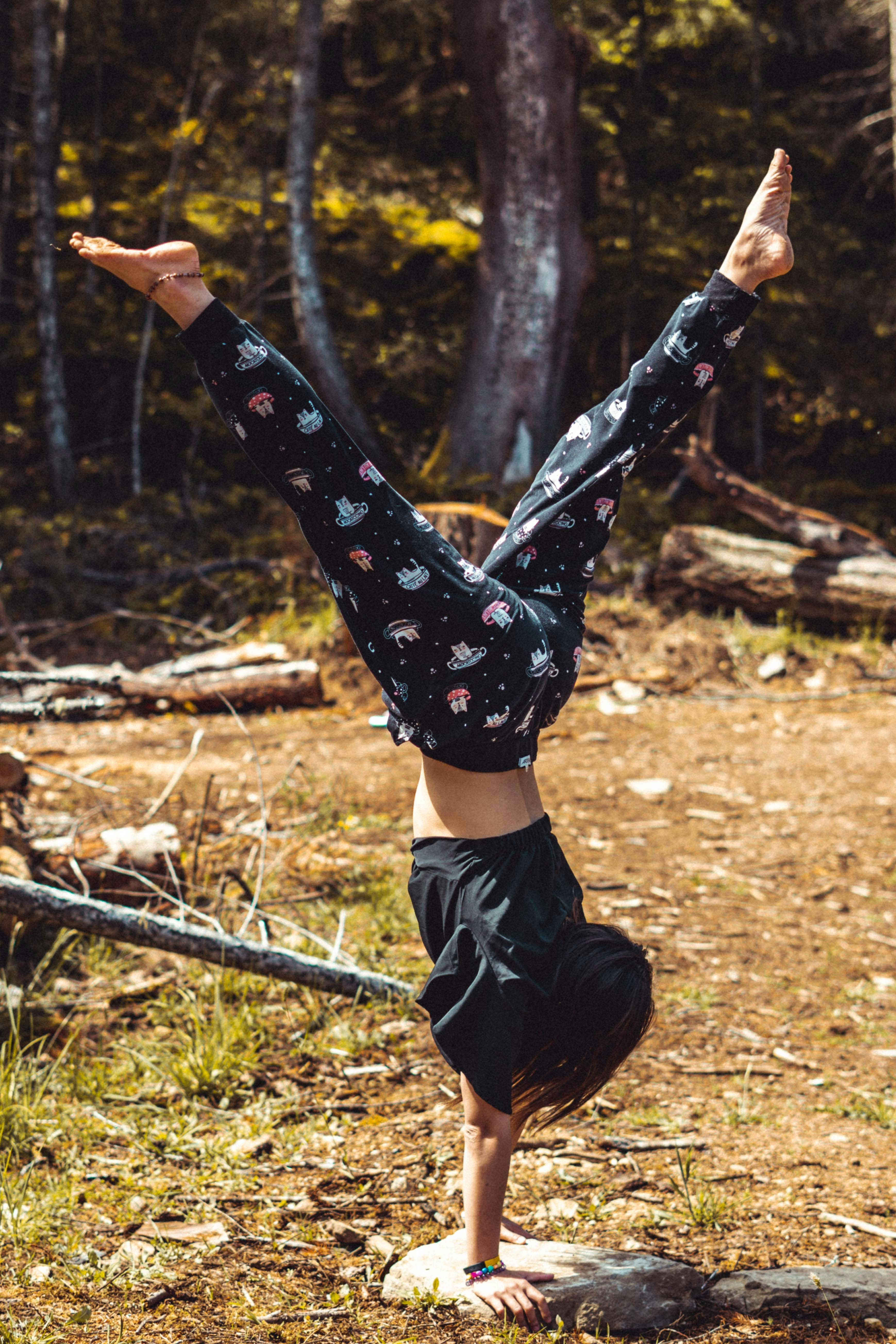
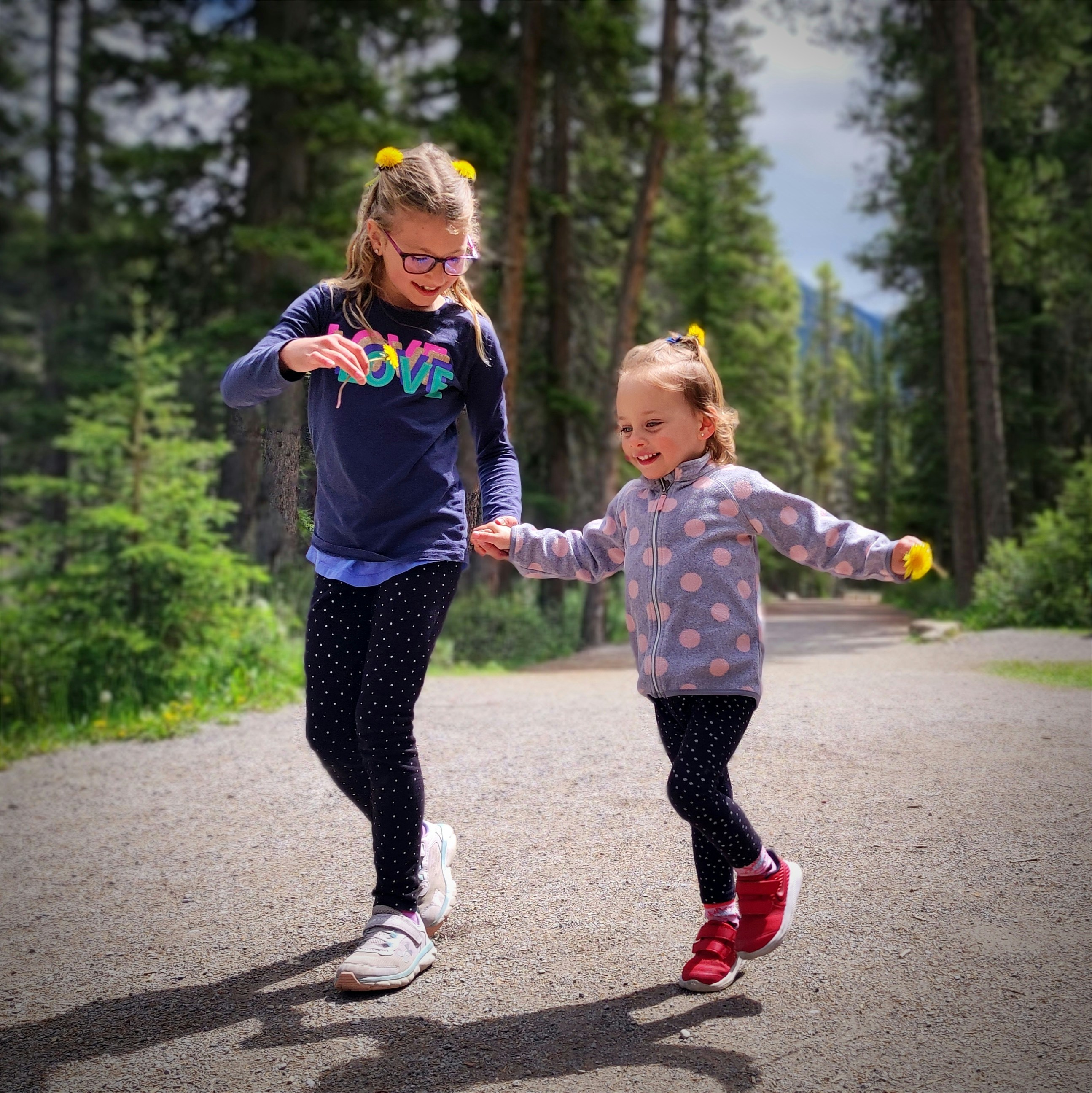
Three years ago a kids activewear order looked predictable. A gym set for school sport, one hoodie, and a few basic leggings. That brief no longer holds. Children now wear the same clothes to a dance class, to PE, to a weekend walk, to a birthday party, and on a long car trip. Parents are buying fewer pieces and expecting each piece to work harder, while the visual language steering those purchases has moved from the sports field to the ballet studio.
1. Two Demand Curves Meeting At One Point
The first curve is scale. Kids activewear is no longer a small annex of childrenswear. One published industry estimate puts the global kids activewear market at roughly USD 16.6 billion in 2024, with a forecast growth rate near 8.6 percent annually through 2032, which is faster than the wider apparel market. Youth sport participation, school sport requirements and the general casualisation of childrenswear all feed that number.
Source: Verified Market Reports, Kids Activewear Market, 2025 to 2032 forecast.
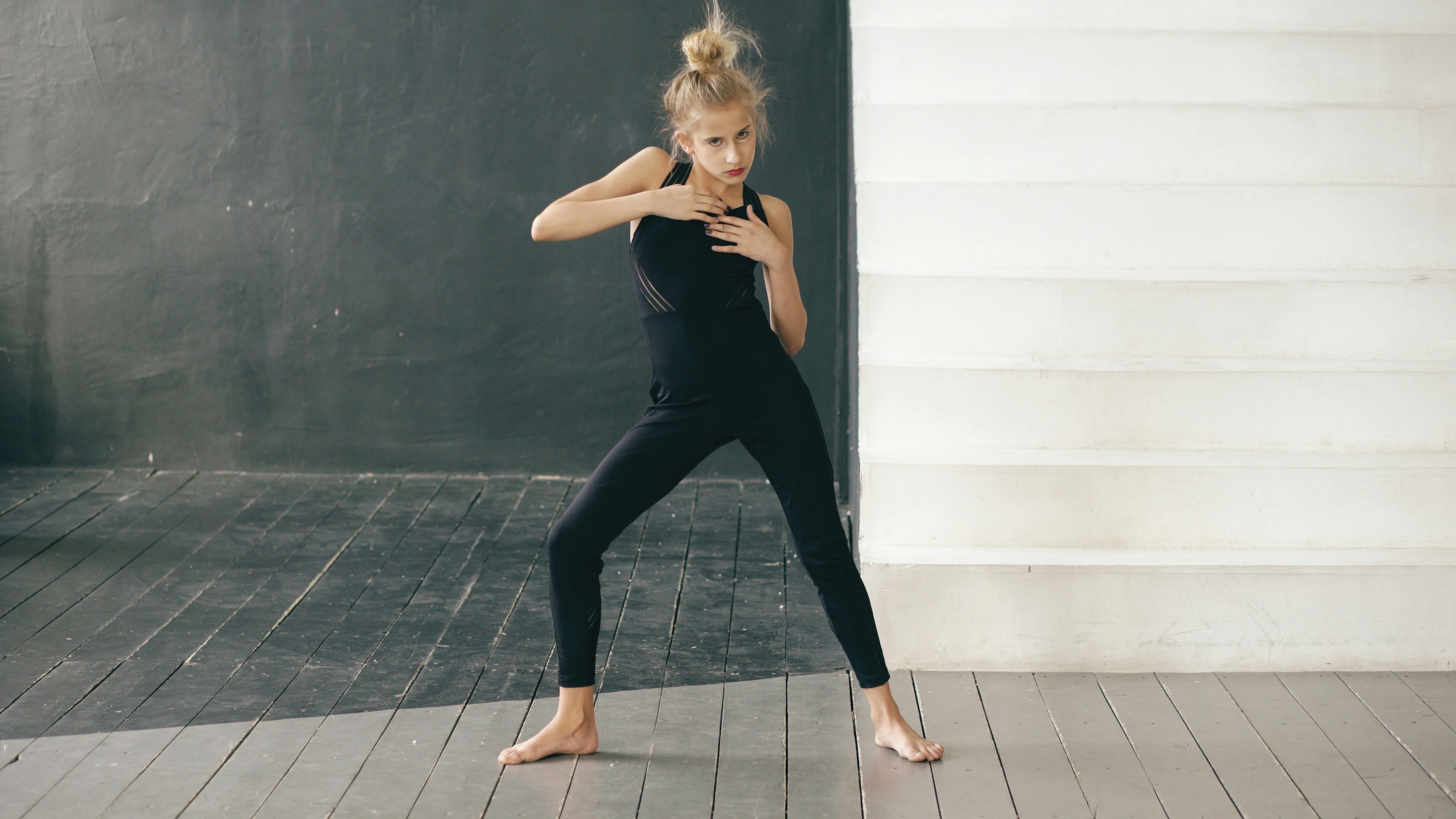
The second curve is aesthetic. Ballet style has moved out of the studio. Wrap fronts, soft pink and oat neutral palettes, layered tulle skirts and ribbon details now appear in school run outfits and in social feeds, and the trend has been adopted by children far younger than the tween audience it started with. Dancewear silhouettes are being read as everyday clothing rather than costume.
Where the two curves cross, a new product brief appears. The garment has to survive a plie at four in the afternoon and still look presentable at a family dinner at six. For brands and buyers this changes the shape of an order: fewer single function styles, more coordinated capsules built from a bodysuit, a skirt or short, and a light layer in one palette.
2. What Ballet Style Really Asks From A Factory
Ballet inspired kids styles look simple and fail easily. The details that decide whether a style sells through or returns are almost all in construction.
Opacity under stretch. Pale pink and ivory are the colours that expose fabric quality. A lightweight single jersey that looks fine flat can turn transparent across the seat when a child bends. Either raise the fabric weight or double layer the seat and the knee area, and confirm with a stretch test on a fit model rather than a flat lay photo.
Elastic recovery. A gathered skirt waistband takes continuous movement. Specify a waistband elastic with defined recovery and test it after eight hours of wear, otherwise the skirt starts to sit lower by the second wash.
Soft trims. Glitter edge lace and metallic yarn look attractive in a lookbook and scratch skin at the waist and underarm. Use soft elastic, covered elastic or a smooth binding finish, and keep every trim smooth on the inside face.
Even gathering and low bulk. The skirt is usually attached at the waist seam of a bodysuit or short. Gathering has to be distributed evenly, with no lump at the hip, so the piece still layers under a jacket without a visible ridge.
Colour stability in pale shades. Light dye lots shift more visibly than dark ones. Require a wash fastness report on the actual bulk dye lot, not on a lab dip, and keep a retained sample per lot.
3. Multi Scene Means One Outfit, Several Jobs
When a buyer writes a brief for a single scene, the factory optimises for that scene. When the same garment has to cover four scenes, the specification changes:
● Movement range for dance and gym, with a rise that stays in place during floor work.
● Temperature swing between a cool studio and a warm playground, which pushes brands toward light layers and breathable blends rather than heavy single pieces.
● Easy care, because the same garment may be washed three times in one week. Quick dry behaviour and low shrinkage matter more than luxury hand feel.
● Discreet coverage, since children move without checking. Secure leg openings, opaque pale shades and no riding up at the waist are commercial requirements, not styling preferences.
Translated into a tech pack, this usually means a wider soft waistband, flatlock or bonded seams at the inner leg, a gusset where the style needs one, and hardware kept to a minimum for both comfort and safety.
4. Fabric Selection By Use Case
There is no single correct fabric for this segment. The right choice depends on which scene the style leads with, and the table below is the comparison most buyers ask for during sampling.
| Fabric option | Where it performs best | What to verify before bulk | |
| GRS certified recycled polyamide spandex | Bodysuits, leggings, gym shorts, swim adjacent styles | Certificate scope covers the actual fabric and colour, not only the yarn; four way stretch and recovery data | |
Cotton spandex single jersey | Everyday sets, tees, light shorts | Shrinkage after three washes, colour fastness, and whether opacity holds in pale shades | |
| Fine gauge merino wool blend | Outdoor layer, travel sets, cool season pieces | Itch free next to skin claim, pilling resistance, and a care label that parents can actually follow | |
| Lightweight woven nylon or polyester | Skirt shells, woven shorts, light jackets | Mechanical stretch at the waist, air permeability, and seam strength at the crotch and pocket | |
Stretch mesh or soft tulle | Skirt overlays, panels, decorative layers | Opacity, snag resistance, softness against skin, and behaviour after washing | |
5. Fit, Size Grading And Growth Room
Children are not scaled down adults. Between the ages of four and ten the waist to height ratio changes quickly, and a pattern graded like a womenswear fit will fail at the hip and the rise. Practical rules that hold up in production:
1. Grade by both age band and height, and publish a measurement chart that shows both, in centimetres and inches.
2. Allow two to three centimetres of growth room at the waist and hip on styles intended for a full season, without letting the garment become a sack on the first wear.
3. Run fit sessions on real children in at least two age bands, and record photographs at the waist, the seat, and the skirt hem in movement.
4. Localise the size label to the market: age plus height for European and North American retail, height based sizing where the market expects it.
A single fit round during sampling is rarely enough for a skirt and bodysuit combination. Two rounds, with one adjustment on the waistband and one on the skirt length, is the realistic minimum.
6. Quality Checks Buyers Should Require
For this category the useful inspection list is short and specific. Ask the factory to report results on bulk, with the test method named, rather than accepting a general statement that the fabric is good quality.
| Check | Method reference to request | What good looks like | |
| Colour fastness to washing | AATCC 61 2A or ISO 105 C06 | No visible change or staining on the multi fibre strip at the agreed grade | |
Dimensional stability | ISO 6330 domestic wash, ISO 5077 change in dimensions | Shrinkage within the tolerance agreed in the tech pack, checked on pale shades too | |
| Pilling and surface chang | ISO 12945 2 | No fuzzing on the seat and underarm after the agreed cycles | |
| Seam and elastic integrity | Seam strength test plus an eight hour wear trial | Flatlock seams hold, waistband returns to shape, no grin at the crotch seam | |
Trim and small part safety | CPSIA requirements for the US, EN 71 3 for the EU | No detachable small parts on children sizes, nickel free hardware, no sharp edge on skirt trim | |
Label and care content | Market specific labelling rules | Fibre content, origin, care instructions and warnings legible and correctly placed | |
7. Private Label Details That Move Product
In this segment the difference between a good style and a sellable style is often the finishing. Three items deserve a decision at sampling stage rather than at bulk:
Neck label placement. A woven label at the centre back neck is a scratch point for children. A heat transfer label or a side seam label solves it and is increasingly expected by buyers in Europe.
Care and content labels. Composition, origin, washing temperature, and any flammability warning have to match the destination market. Treat this as a compliance task, not a design task, and confirm the wording with the buyer before printing.
Packaging. Polybag warning text, size sticker, and carton assortment by colour and size ratio. Retail ready packing reduces the handling cost at the buyer side and is a legitimate selling point in a quotation.
8. Planning A First Order Without Overstock
The commercial risk in kids ballet and multi scene styles is depth rather than breadth. A buyer can end up with an attractive range and the wrong size curve. A workable sequence looks like this:
5. Order one style per concept first, in three or four colours, with a size ratio matched to the market rather than split evenly.
6. Keep the fabric reservation open for the second drop, because the winning colour is usually known only after the first sell through.
7. Set the reorder window before the first delivery, so the bulk fabric and the trim are still available when the repeat order arrives.
8. Confirm MOQ per colour and per size, not per style, and confirm whether small trial orders are possible on stock fabrics.
For buyers new to the category, a negotiated first order on stock fabric with one custom colour is often a better entry than a large commitment on a developed fabric that has not been wear tested.
9. Content Angles That Support The Product
Search demand for this category is mostly informational before it becomes transactional. Stores that publish buying guides and care content tend to capture that demand earlier. Four formats that consistently earn links and long tail traffic:
● A size and fit guide per age band, with a real measurement chart and movement photographs.
● A fabric explainer that answers what GRS certification actually covers, and what it does not.
● A care guide for pale shades and stretch fabrics, since staining and colour shift are the top return reasons.
● A studio to street styling guide that shows the same piece in three settings, which matches how parents actually buy.
Each guide should link to the relevant category page, and each product page should link back to the guide. That internal link pattern is what turns a blog post into a conversion path rather than a traffic page.
10. FAQ
Do you produce kids ballet dresses with an attached bodysuit or a separate skirt?
Both constructions are common. An attached bodysuit and skirt is easier for younger children and reduces layering bulk, while a separate skirt gives a longer wear life across sizes. The choice should follow the age band and the market, and it changes the pattern, the waistband and the wash care.
What is a realistic MOQ?
MOQ is normally set per colour and per fabric rather than per style, so the number depends on whether the fabric is a stock item or a custom development. Stock fabric programs allow smaller trial orders; custom dye lots and custom trims require a higher commitment.
Which certifications matter most to buyers?
For recycled content, GRS certification with a scope that covers the finished fabric. For skin contact safety, OEKO TEX Standard 100 at the appropriate product class. For market access, CPSIA related requirements for the United States and EN 71 3 for the European Union, plus correct labelling.
Can sizes follow our own chart instead of a standard one?
Yes. Most private label programs run on the buyer chart, provided the grading is reviewed against real body measurements and the fit is confirmed on two age bands before bulk.