How To Choose Quality Yoga Leggings Fabric Guide For Buyers
- Share
- publisher
- mika
- Issue Time
- Sep 18,2026
Summary
This practical yoga leggings fabric guide walks buyers through the materials that actually matter, from nylon spandex and polyester blends to recycled options.
Walk into any yoga studio on a Monday morning and you will see it: the same pose, three different leggings, three very different experiences. One pair moves with you through chaturbate without a second thought. Another rides up. A third feels great in the changing room but turns clammy halfway through sun salutations.
Most of that difference comes down to fabric, not brand, price or colour. This yoga leggings fabric guide is built to cut through the marketing and help you understand what is actually going on between your skin and the mat.
Nylon spandex is still the default for a reason
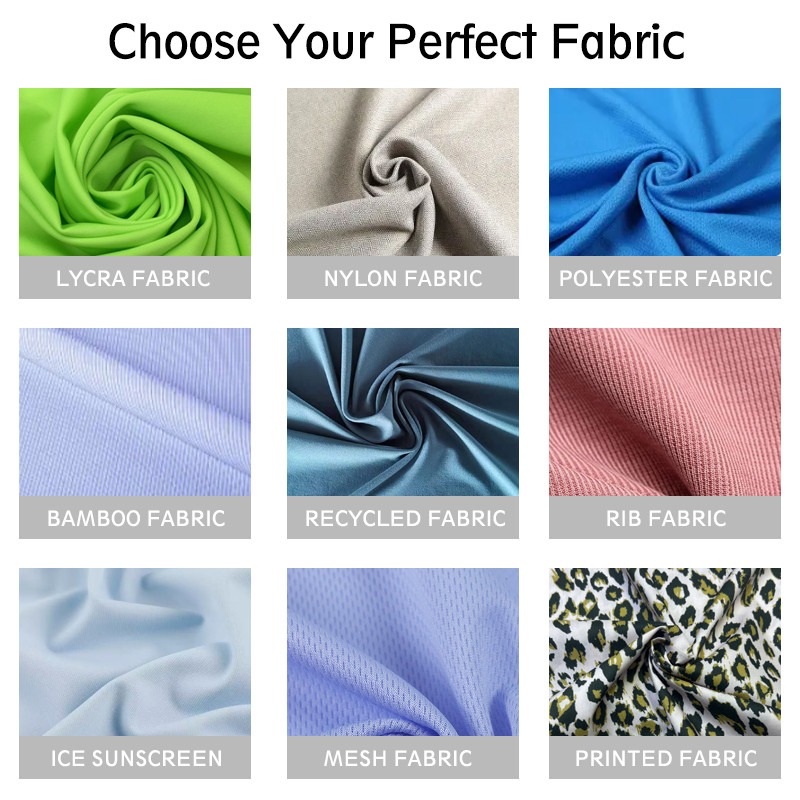
If you have ever put on a pair of yoga leggings that felt like it was barely there, chances are you were wearing nylon blended with a small amount of spandex. Nylon has a naturally smooth, soft hand feel. It stretches in four directions and recovers well, which means the knees do not bag out after a few months of vinyasa flow.
That said, not all nylon is equal. A thin, low density nylon knit can turn sheer when you bend. A denser, heavier version holds its shape and stays opaque in downward dog. When buyers ask about the best material for yoga leggings for studio practice, nylon spandex is usually where the conversation starts, but the weight and knit quality decide whether it actually works.
Polyester spandex handles the sweat
Polyester takes a different path. It tends to be slightly crisper against the skin, but it wins on moisture management. Sweat spreads across the surface and dries quickly instead of being absorbed and held against your body. That makes polyester spandex a strong pick for hot yoga, power flow or any class where you leave the mat genuinely damp.
The trade off is feel. Some yogis find polyester a little cooler against the skin, less luxe than nylon. The good news is that many brands now blend the two, taking nylon's softness and polyester's dryness in the same knit.
Why recycled fabric yoga leggings keep coming up
You have probably noticed the word recycled popping up on more and more product pages. Recycled nylon and recycled polyester are made by breaking down existing plastic waste, like fishing nets or bottles, and re spinning them into new fibre. The end result feels and performs very much like the virgin version, with a smaller environmental footprint.
For buyers, recycled fabric yoga leggings are worth considering, but do not let the label do all the work. Check the fabric weight, the stretch recovery and the reviews. A recycled blend is only as good as the construction around it.
What about cotton?
Cotton sounds natural and breathable, which is why it keeps showing up in beginner friendly marketing. The problem is what happens when you sweat. Cotton absorbs moisture and holds it. It gets heavy, it stretches out of shape and it stays cold against your skin once you cool down. It works for lounging. It is not the best material for yoga leggings meant for active practice.
A quick checklist before you buy
- Look at fabric weight, not just fibre percentages. Heavier, denser knits usually hold up better.
- Stretch in the mirror or do a few bends at home if returns are easy.
- Match the fabric to your class. Nylon spandex for gentle flow, polyester spandex for hot or sweaty sessions.
- If sustainability matters to you, seek out recycled fabric yoga leggings with clear certification rather than vague eco claims.
At the end of the day, the best leggings are the pair you forget you are wearing. Understanding the fabric underneath is the fastest way to find that pair, stop guessing, and build a yoga wardrobe that actually lasts.