Merino Wool Base Layers: The Ideal First Layer For Outdoor Adventures
- Share
- publisher
- mika
- Issue Time
- Nov 11,2026
Summary
Discover why merino wool base layers become must‑have for variable‑weather hiking. Learn fabric advantages and custom manufacturing solutions from Yoyoung Apparel for your outdoor brand.
Who This Article Is For
Primary reader: Growing outdoor and activewear brands launching or expanding a merino wool base layer line, building one cohesive outdoor layering collection for hikers, trail runners and year round outdoor users.
Secondary reader: Established brands extending their thermal base series seasonally, and product developers building sustainable lines from reference images.
Project stage: Product positioning confirmed, fabric blend and weight options still open for tuning, bulk specs and grading rules not yet locked.
Problem being solved: How to build a versatile merino base layer family that covers different activity levels, temperature zones and brand positioning without creating disjointed patterns and extra sampling rounds.
Who may not need this article: Brands sourcing ready made base layers instead of private label custom styles, or brands that have already locked every blend and pattern in their base range.
What you gain: A modular component map for custom merino base layers, fabric blend and weight selection rules, the key measurement points to lock before sampling, plus sample and bulk validation checklists.
Why Merino Wool Works As The Foundational Outdoor Layer
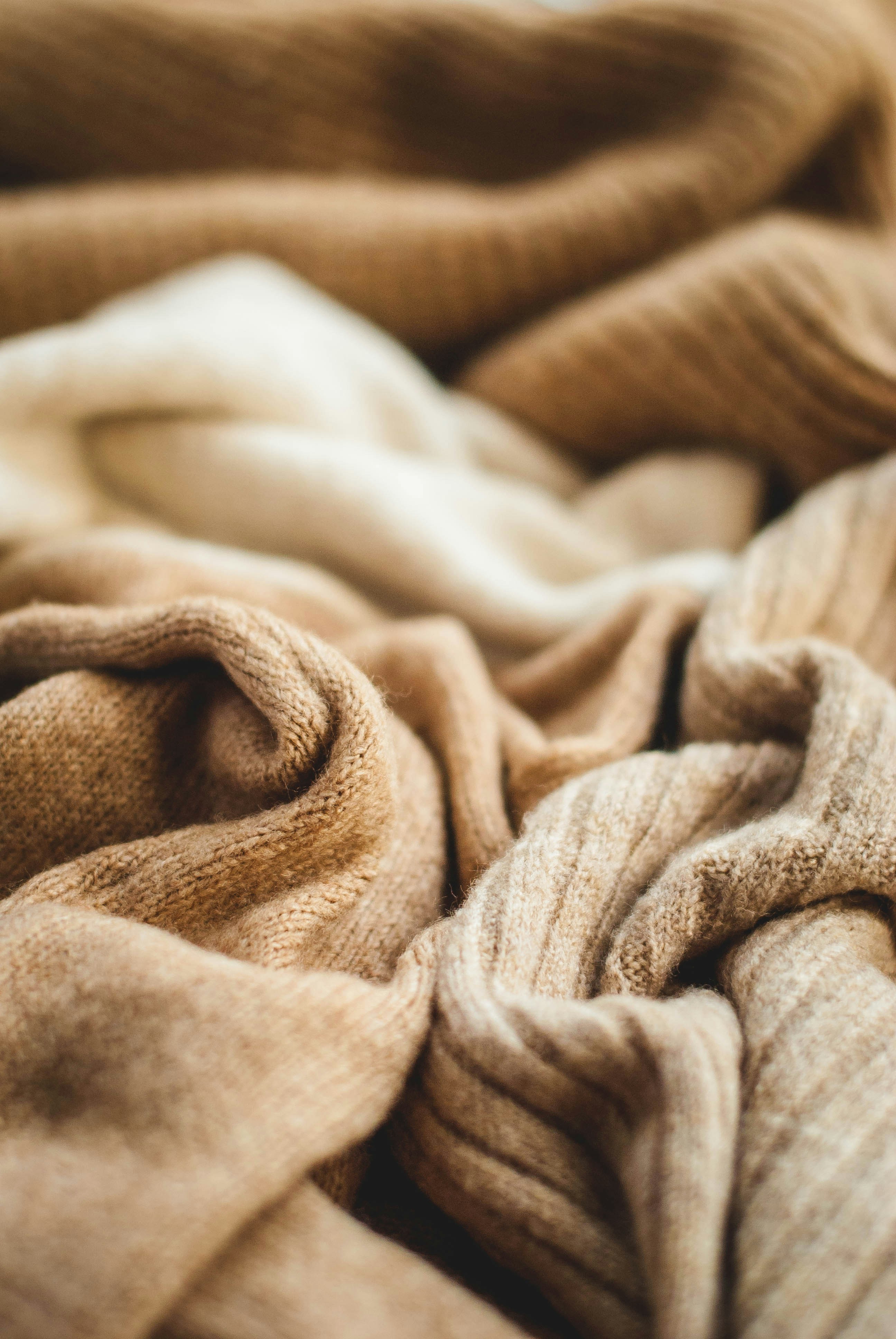
Plenty of outdoor brands start layering design with outer jackets, but experienced product teams know the next to skin layer defines the whole wear experience. A well engineered merino wool base layer delivers natural temperature regulation, inherent odour resistance and soft skin comfort that fully synthetic alternatives struggle to match. It moves moisture off the skin on uphill climbs and holds gentle warmth when wind and temperature drop.
Building your outdoor layering collection around merino also strengthens your sustainability story. Independent station shoppers actively search for sustainable outdoor apparel with traceable materials, and merino paired with recycled fibre blends gives you a verifiable eco claim across product pages, email campaigns and social content.
Drafting a separate base pattern for every weight and blend carries three layers of duplicated cost: repeated pattern grading, multiple sample cycles and split minimum order quantities. If your goal is one unified base layer family, keep a consistent core silhouette and adjust modular parts instead of cutting a new block each time.
Separate blocks are justified only in narrow cases. If you move from a lightweight everyday base to a heavy expedition thermal with a fundamentally different internal architecture, or switch to a completely different sizing system for a new price tier, a new master pattern makes sense. Fit feedback alone rarely justifies rebuilding the whole block.
Before cutting new patterns, audit your target silhouette first. Merino base layer performance can be treated as an adjustable axis, independent of the outer shape. Most complaints about warmth, itch or clamminess come from blend ratio, fabric weight and seam design rather than the overall cut.
The Shared Layering Framework: What To Build Around A Merino Base
A shared master silhouette keeps consistent geometry across your full merino base layer family. Fixed elements include the torso outline, neckline shape, armhole curve, sleeve attachment lines and core seam placement. Once these lines are documented and frozen, you can swap blends, weights, seam styles and hem finishes without reworking the entire pattern.
The biggest benefit of locking this shared block is consistent fit testing. Fit revisions are meaningful only when one variable changes at a time. If neckline, sleeve shape and fabric weight all shift between two samples, your team cannot tell which adjustment improved moisture transfer or caused tightness across the shoulders.
Technical documentation matters as much as the paper pattern. A complete master record includes pattern cards with defined seam allowance, measurement charts with tolerance ranges, grading rules for every fixed panel, and clear notes on fabric grain direction. YOYOUNG files these records against each master block, so any later change to blend, weight or stitching traces back to the approved fit sample.
Fabric performance evolves with repeated washing and stretching. Shrinkage, pilling resistance and hand feel must be validated as one matched set. Merino, recycled blend yarns and finishing treatments should be reviewed together rather than decided in separate conversations.
Fabric Blends And Weight Modules
Blend and weight are your primary tuning modules for different use cases, while the outer silhouette stays unchanged.
Mild weather, high movement: Lightweight pure merino or merino recycled fibre blend. This tier prioritises breathability and suits spring and autumn hiking, yoga and fast packing, adding subtle warmth without overheating during steady movement.
Variable cool weather: Mid weight merino blend with a balanced ratio of natural wool and recycled yarn. This is your most versatile option for general outdoor layering, suitable for long distance treks and days where temperatures swing widely.
Cold weather, low movement: Heavy weight merino or reinforced merino blend. It delivers reliable insulation for winter trails and cold static environments, and pairs best with mid layers and lightweight windproof shells.
Key specification risk: Merino and recycled fibres shrink at different rates. The same blend changes tightness and hand feel after repeated laundering, and that shift affects every weight tier. All fabric variants must complete wash and wear testing under the same protocol before bulk approval, rather than relying on flat fabric lab readings alone.
Your spec matrix must record fabric weight, blend percentage, yarn count, finished fabric width, shrinkage target and hand feel requirement for each variant.
Seam Construction, Fit And Silhouette Adjustments
Seam style, hem, cuff and elastic details are your secondary tuning modules. All of them attach to the fixed master block, so no regrading of the outer shell is required.
Lightweight tier: Minimal flatlock seams, thin stretch cuffs, simple straight hem. The construction reduces skin friction over long hours of movement.
Mid weight tier: Standard flatlock seams, rib cuffs, shaped hem for better stay put performance.
Heavy weight tier: Reinforced flatlock seams, wide rib cuffs, extended curved hem for extra torso coverage and heat retention.
Important rule: Neckline, armhole and sleeve anchor points on the master block stay fixed. Only stitch density, cuff elastic and hem shaping change. Once you move a major seam anchor, you break the shared silhouette rule and need a new pattern.
The top failure point for custom merino base layers is unexpected itch, uneven shrinkage and seam chafing. Yarn selection, softening finish and seam allowance must be calibrated for every blend tier. A fabric that feels soft on first touch can turn scratchy after washing if the finishing is not matched properly.
Pre bulk checklist: softness verified after multiple wash cycles; shrinkage aligned across all blend options; flatlock tension checked for skin rubbing; cuff and hem elasticity balanced against slipping or tight restriction; outer silhouette consistent when switching between light and heavy weight fabric.

Pairing With Mid Layers And Wind Shells
A strong merino base layer is one piece of a complete outdoor layering system. Many brands develop base layers in isolation without planning compatibility with mid layers and windproof outerwear, which weakens the whole collection story on independent station bundle pages.
Your custom merino base should be designed to layer smoothly under fleece, knit mid layers and packable lightweight wind jackets. We keep the silhouette clean so there is no unwanted bulk when stacking pieces. If you plan to sell coordinated layering sets, we can tune base layer length, sleeve volume and torso cut against your existing mid and outer layer patterns.
This coordinated development is one advantage of working with YOYOUNG as your private label partner. We can build your full layering family under one schedule, so proportions, colour palettes and quality standards stay unified across base, mid and outer pieces, and your bundle listings and collection shots stay clean.
The Spec Matrix And The Sample Plan
Use a spec matrix to map every layering variant to its module combination while keeping the core outer silhouette unchanged, as shown in Table 1.
| Layering Variant | Fabric Module | Seam And Finishing | |
| Lightweight | Thin merino recycled blend | Minimal flatlock, thin stretch cuffs, straight hem | |
| Mid Weight | Balanced merino blend | Standard flatlock, rib cuffs, shaped hem | |
| Heavy Weight | Thick merino blend | Reinforced seams, wide rib cuffs, extended hem | |
Sampling rule for validation: the minimum sample set for this modular base layer family is three garments per variant, covering the base size, the largest planned size and the smallest planned size. Each sample tests one unique fabric and finishing combination from the matrix.
Flat fabric measurements alone are not enough. All samples need live wear testing to check warmth and comfort, moisture transfer, seam chafing, and how the garment behaves when layered under an outer wind shell.
Decision Check
Run through these checks before committing to your modular merino base layer plan:
● Core neckline, armhole and torso geometry are locked and consistent across all weight tiers;
● Blend and weight specs are clearly separated for mild, cool and cold weather use;
● Seam tension and cuff elastic are calibrated to reduce friction and slipping;
● Shrinkage and hand feel testing are scheduled for every yarn and finishing option;
● Silhouette stays compatible with your planned mid layers and lightweight wind shells.
If any of these points cannot be satisfied, a separate master pattern block may be required.
Founder's Technical Insight
Many outdoor brands assume different warmth levels mean entirely different garment shapes. From our development experience, buyers fall for one clean streamlined silhouette and simply want that silhouette to cover more weather. The merino wool base layer becomes the anchor piece for the whole outdoor layering line, yet brands often rush fabric selection and skip long term wash testing. A beautiful base layer collects poor reviews fast if it turns scratchy, shrinks unevenly or chafes on long hikes. Lock the outer silhouette first, then treat blend, weight and seam construction as your adjustable tuning knobs. That keeps the collection visually cohesive, cuts development waste, and makes colour planning for a full sustainable outdoor apparel range far simpler.
FAQ
Can one shared silhouette cover lightweight, mid weight and heavy weight merino base layers?
Yes within reasonable limits, as long as core outer geometry stays fixed and performance differences come from blend, weight, seam and cuff modules. The boundary is material architecture: an expedition grade thermal with a completely different panel layout is better served by a separate pattern.
When should separate patterns be created for different weight tiers?
Separate blocks make sense when the target activity or temperature range demands a fundamentally different structure, or a new price tier requires completely different fabric, trims and sizing. Complaints about itch, insufficient warmth or poor moisture handling can nearly always be solved inside the existing modular setup.
How long does development take for this modular base layer line?
With the target silhouette confirmed, sample development normally takes 10 to 15 days. Pre production confirmation and fabric wash testing add another 25 to 30 days, because every blend and weight variant must pass shrinkage and comfort verification. That timeline is far more efficient than running three independent patterns.
Which measurements matter most during grading?
Torso circumference, sleeve length, armhole depth and neckline width are core measurements. The key discipline is grading the shell while reserving extra tolerance for thicker fabrics. Run fit tests on real wearers across the full size range so small and plus sizes stay comfortable.
Pure merino or merino recycled blends?
Pure merino offers the best natural softness and odour resistance, ideal for premium sustainable positioning. Merino recycled blends balance cost, durability and eco messaging for wider market independent station collections. Many brands carry both tiers to cover different price points.
What do I need to send to start development?
Share target silhouette references, planned size range, weight roadmap, colour direction and performance requirements, and note whether these base layers will be paired with custom mid layers or wind shells. With that information we build the spec matrix before sampling begins.
Final Takeaway
You do not need a separate pattern for every weight tier of your merino wool base layer collection. The modular method keeps one unified outer silhouette while warmth, breathability and hand feel are tuned through blend, weight, seam construction and finishing. Lock the core geometry, build the spec matrix, validate shrinkage and wash performance, then test across extreme sizes before bulk.
This workflow reduces redundant pattern work, lowers sampling costs and keeps your outdoor layering range coherent on product listings and wholesale line sheets. A separate block remains the right choice only when the target activity, thermal requirement or fabric cost structure genuinely calls for a brand new internal structure.
Ready to build your custom merino base layer family? Send your size chart, fabric specification targets and tech pack over. YOYOUNG Sportswear will map every modular component onto one shared silhouette before sampling starts. If you only have reference images, our development team can build the component brief directly from your visuals.
About YOYOUNG Sportswear
Founded in 2016, manufacturing custom women’s and unisex activewear, yoga wear and outdoor apparel in Jiangsu, China.
OEM and ODM development support for merino base layers, recycled fabric outdoor pieces, lightweight wind jackets, yoga leggings, tennis dresses, tops and coordinated layering sets.
Structured sample development with strict sample to bulk consistency control and approved reference sample management.
Quality control aligned with AQL 2.5 inspection standards, covering in process checks and final pre shipment verification.
Current certification information can be reviewed during supplier evaluation based on project and document requirements.